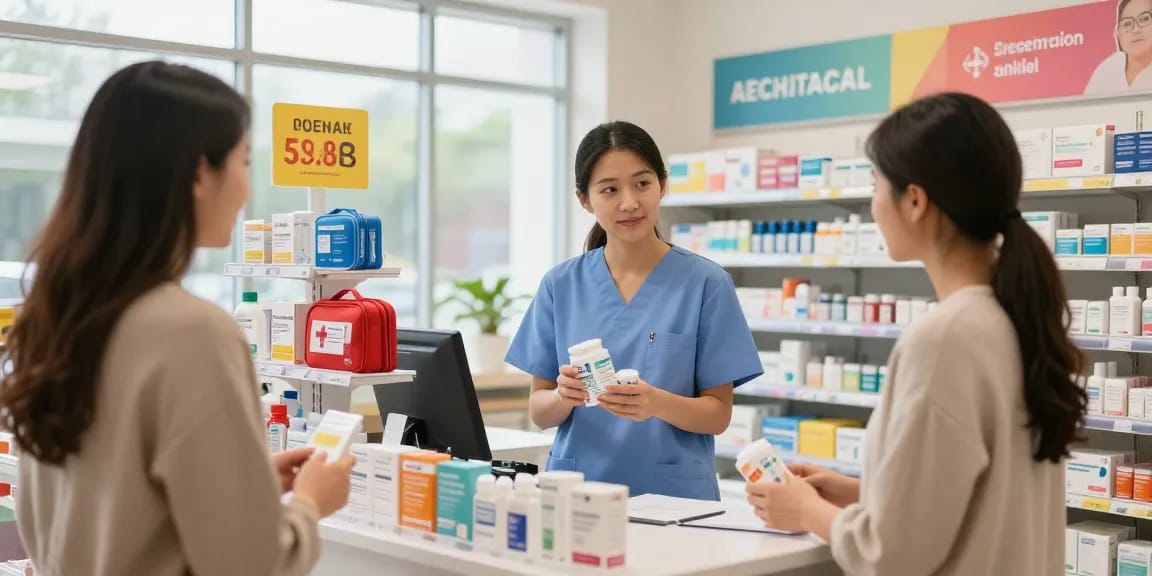
The Importance of Quality Health Supplies in Healthcare
In today’s rapidly evolving healthcare landscape, the significance of quality health supplies cannot be overstated. With rising patient demands and increasing regulatory scrutiny, healthcare providers must prioritize the procurement of high-quality supplies to ensure effective patient care. Quality health supplies not only improve the efficiency of health services but also play a crucial role in enhancing patient safety and treatment outcomes. When exploring options, health supplies need to meet stringent industry standards without compromising on functionality or safety.
Why Quality Matters in Health Supplies?
Quality health supplies are foundational to effective healthcare delivery. They encompass a broad range of products, including medical devices, pharmaceuticals, and consumables, all of which must adhere to specific standards to ensure they are safe and effective. Subpar supplies can lead to severe consequences, including compromised patient safety, increased risk of infection, and treatment failures.
For instance, the use of inferior surgical instruments can increase the likelihood of complications during operations. By investing in high-quality health supplies, facilities can mitigate risks associated with product failure and ensure compliance with healthcare regulations, ultimately fostering trust and safety for both patients and healthcare providers.
Understanding Regulatory Standards for Health Products
Regulatory standards play a vital role in the health supply industry. Organizations such as the FDA (U.S. Food and Drug Administration) and Health Canada set stringent guidelines that govern the manufacturing, testing, and distribution of health supplies. These standards are designed to protect public health by ensuring that only safe and effective products reach the market.
Compliance with these regulations requires ongoing training for healthcare staff and regular audits of supply chains. Furthermore, manufacturers often must provide documentation proving that their products meet established quality benchmarks. This level of oversight helps ensure that healthcare providers can rely on the health supplies they utilize in patient care.
Impact of Quality Health Supplies on Patient Outcomes
The impact of quality health supplies extends far beyond compliance; it directly influences patient outcomes. Research has shown that hospitals and clinics that prioritize high-quality supplies experience lower infection rates, reduced readmission rates, and improved patient satisfaction scores.
- Lower Infection Rates: High-quality sterilization technologies and materials minimize the risk of hospital-acquired infections.
- Better Treatment Outcomes: Reliable medical devices contribute to successful treatments, which can enhance overall patient health.
- Increased Patient Satisfaction: Patients are more likely to trust healthcare providers who utilize reputable brands and quality products.
Identifying Essential Health Supplies for Every Facility
Determining the essential health supplies for a facility involves evaluating the specific needs of that environment. Each healthcare setting—from outpatient clinics to large hospitals—has unique requirements. Essential health supplies can range from everyday items like gloves and masks to more complex technology such as diagnostic imaging equipment.
Key Categories of Health Supplies: From Basic to Advanced
Healthcare facilities typically rely on a variety of health supplies, categorized into basic and advanced tiers. Fundamental items include PPE (personal protective equipment), bandages, and everyday medical tools. In contrast, advanced supplies encompass sophisticated equipment like ventilators, surgical instruments, and diagnostic machines.
Facilities must ensure they have access to both categories to provide well-rounded care. Recognizing which supplies fall into each category can help in creating a balanced inventory that meets both immediate and long-term patient care needs.
Customizing Health Supplies According to Facility Needs
Customization is essential when identifying health supplies. Facilities must consider various factors, including patient demographics, types of services offered, and local healthcare regulations. For example, a pediatric clinic will require different health supplies compared to a surgical center.
Conducting thorough assessments, including consulting with staff regarding their daily operations, can help administrators tailor their health supply purchases to align with the specific needs of their facility.
Meeting Patient Demands with the Right Health Supplies
Patient demands are constantly changing, influenced by factors such as new treatments, emerging technologies, and public health trends. Healthcare providers must remain agile and responsive to these shifts to ensure they are meeting patients' expectations effectively.
- Engagement Surveys: Regular feedback from patients can guide supply decisions.
- Market Trends: Staying informed about advancements in medical technology enables facilities to upgrade their health supplies accordingly.
Trends and Innovations in Health Supplies for 2026
The health supplies industry is on the brink of significant transformation as technological advancements continue to emerge. By 2026, we can expect to see a surge in innovative health supplies that enhance both functionality and patient safety.
Emerging Technologies in the Health Supplies Industry
Innovations such as telemedicine equipment, AI-driven diagnostic tools, and wearable health monitors are progressively becoming mainstream in healthcare settings. These advancements facilitate personalized patient care while improving efficiency.
For instance, wearables provide real-time data on patients' health metrics, enabling healthcare providers to make informed decisions swiftly. Such technologies not only benefit patients but also optimize health supply management through predictive analytics.
Sustainable Practices in Sourcing Health Supplies
Sustainability is now a critical consideration in the health supplies industry. Many organizations are transitioning to environmentally friendly products and packaging, responding to an increasing demand for sustainable practices.
By prioritizing suppliers that adhere to eco-friendly practices, healthcare facilities can not only reduce their environmental footprint but also appeal to a growing demographic of environmentally conscious patients.
Future Predictions: Health Supplies Market Growth
Market analysts predict that the health supplies market will continue to grow over the next few years, driven by technological advancements and an increasing demand for healthcare services. Factors such as an aging population and the rise of chronic diseases will contribute to this growth.
Organizations that invest in high-quality, innovative health supplies are likely to gain a competitive advantage, enabling them to adapt to the evolving healthcare landscape and improve patient outcomes.
Effective Strategies for Managing Health Supply Inventory
Effective inventory management is crucial for ensuring that healthcare facilities have the necessary health supplies readily available. A well-managed inventory leads to reduced waste, improved efficiency, and cost savings.
Implementing Inventory Management Systems for Health Supplies
Adopting advanced inventory management systems can greatly enhance the tracking of health supplies. These systems leverage technology to provide real-time data on stock levels, usage rates, and reorder points.
Facilities can automate procurement processes, maintain optimal inventory levels, and reduce the likelihood of stockouts, thereby ensuring that essential supplies are available when needed.
Reducing Waste and Ensuring Stock Availability
Waste reduction is a significant concern in health supply management. Implementing practices such as just-in-time ordering can help minimize excess inventory while ensuring that supplies remain available for patient care.
Additionally, training staff on proper inventory handling and usage can further reduce waste, leading to cost savings that can be redirected towards enhancing patient care.
Data-Driven Decisions in Health Supplies Procurement
Data analytics plays a pivotal role in health supply procurement. By analyzing historical usage data, facilities can forecast future needs more accurately, enabling them to make informed purchasing decisions.
Moreover, integrating data from multiple sources can help identify trends, allowing healthcare providers to adjust their inventory strategies proactively based on patient demand and emerging healthcare challenges.
Case Studies: Successful Health Supplies Implementation
Examining real-world examples of successful health supply management can provide invaluable insights for healthcare organizations looking to enhance their practices.
Real-World Examples of Health Supplies Impacting Care
Numerous healthcare facilities have successfully implemented strategic health supply management processes that have led to improved patient care. For example, a leading hospital chain that adopted a comprehensive supply chain management system reported a 20% reduction in supply costs, which significantly improved their bottom line while enhancing service delivery.
Lessons Learned from Health Supply Management Successes
Key takeaways from successful case studies include the importance of communication among staff, regular assessments of inventory processes, and the integration of technology in inventory management. Facilities should actively seek to learn from these successes and replicate proven strategies.
Building Relationships with Health Supply Vendors
Establishing strong partnerships with health supply vendors is vital for any healthcare facility. Reliable vendors can provide valuable insights into emerging products and trends, helping organizations stay ahead in the competitive landscape.
Furthermore, these relationships can facilitate better pricing negotiations and ensure timely delivery of health supplies, ultimately contributing to a smoother operation.
What are the most essential health supplies for a clinic?
A clinic generally requires essential supplies, including medical consumables like gloves, syringes, bandages, and antiseptics, along with diagnostic tools such as stethoscopes and blood pressure monitors.
How can I ensure the quality of health supplies I'm purchasing?
To ensure the quality of health supplies, it is crucial to research vendors, check product certifications, and verify compliance with industry regulations. Regularly reviewing supply performance can also help identify any quality concerns.
What future trends should I be aware of in health supplies?
Awareness of trends such as the increasing use of automation in supply chains, personalized medicine, and sustainable product sourcing will be critical for healthcare providers in the coming years.
How can I effectively manage health supply inventory?
Effective management can be achieved by implementing robust inventory management systems, training staff on best practices, and utilizing historical data to predict future supply needs accurately.
What are some examples of successful health supplies strategies?
Successful strategies can include optimizing procurement processes through data analytics, engaging in vendor partnerships to enhance supply reliability, and continuously assessing inventory needs to align with patient care requirements.